Tokenisation of real-world assets: concept, opportunities, open questions
Bonds, funds or real estate as tokens on the blockchain: what lies behind the tokenisation of real-world assets and which questions remain open.
Draft for technical and editorial review by CAM Schweiz AG, not yet approved.
The tokenisation of real-world assets, or RWA for short, is one of the topics where blockchain technology and the traditional financial world are converging most clearly. Banks, asset managers and infrastructure providers are working on it intensively. But what lies behind it and which questions are still open?
The concept
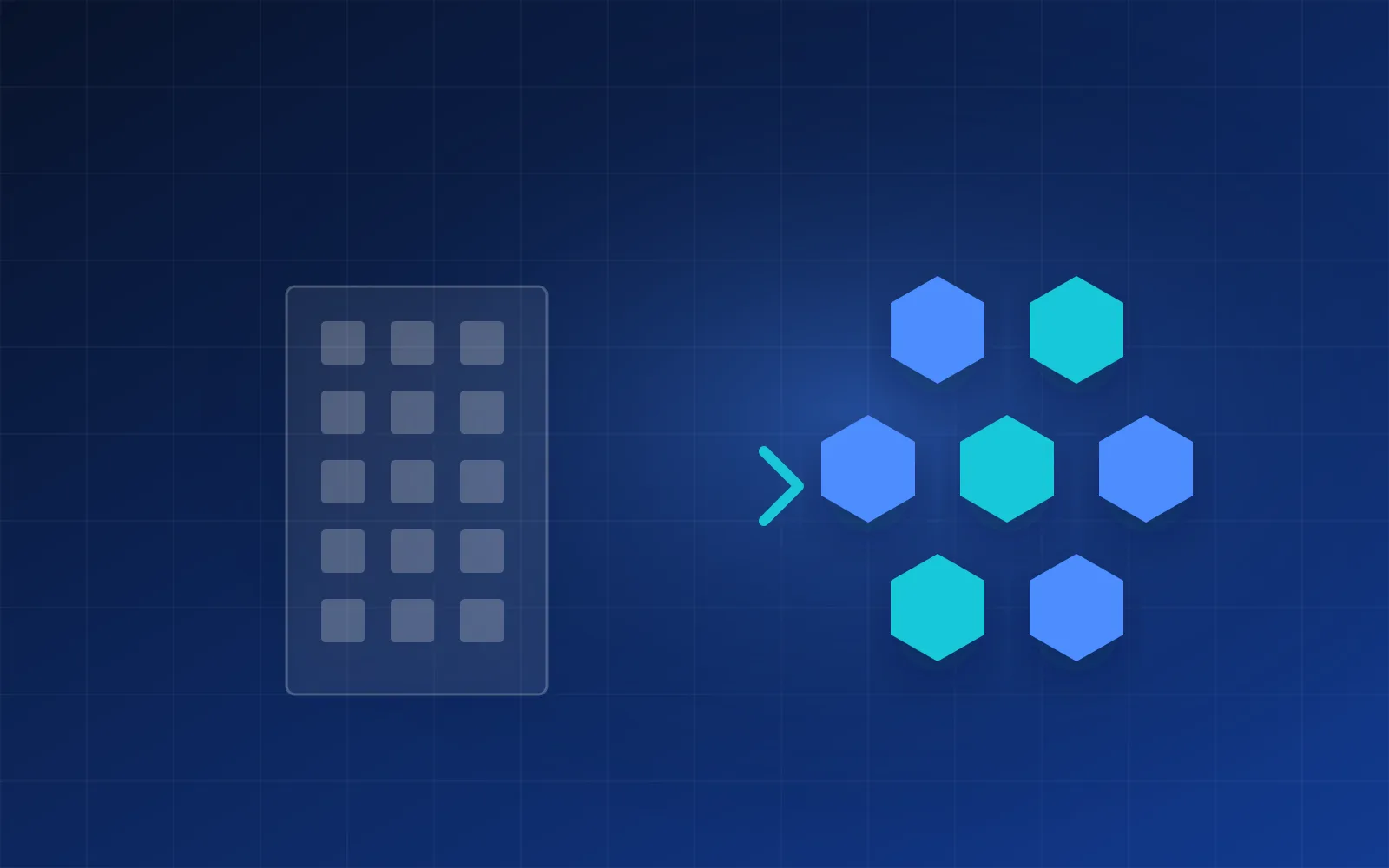
In tokenisation, a right to an asset is represented as a digital token on a blockchain. This can be a share in a bond, a fund, a property or a commodity. The token serves as digital proof and, depending on its design, can be transferred, pledged or integrated into automated processes.
With its DLT legislation, Switzerland has created a legal framework that enables so-called ledger-based securities. This allows rights, for example to shares or bonds, to be recorded on a blockchain with legal validity.
It is important to distinguish between the asset and its digital representation. Tokenisation does not change the economic quality of a bond or property. It changes the way ownership is documented, transferred and managed. A weak investment does not become better through a token, but a solid investment can become more efficiently accessible.
The opportunities
- More efficient settlement: Trading and settlement can move closer together, which can reduce intermediate steps and counterparty risks.
- Divisibility: Large assets can be divided into smaller units. This can facilitate access to investments that were previously difficult to access.
- Availability: Blockchains run around the clock, independently of the trading hours of traditional exchanges.
- Programmability: Interest payments, distributions or voting rights can be represented in automated form.
- Transparency: Ownership and transactions are documented in a traceable way, which can simplify audits and reconciliations between the parties involved.
The open questions
As convincing as the concept sounds, a realistic view of the challenges is just as important:
- Legal enforceability: A token is only worth as much as the right it embodies. What matters is whether this right is enforceable in the respective legal system.
- Counterparty risk: Behind many tokenised assets stands an issuer or custodian. Their creditworthiness and reliability remain essential.
- Liquidity: The fact that an asset is tokenised does not automatically mean that there is an active market for it.
- Standards and interoperability: Different platforms and technical standards still make it difficult to connect systems.
- Technical risks: Errors in smart contracts or interfaces can lead to disruptions or losses.
What this means for investors
For investors, there are two perspectives. On the one hand, tokenised products may in future open up new ways of accessing familiar asset classes. On the other hand, the infrastructure on which tokenisation takes place can itself be the subject of an investment, for example smart contract platforms or oracle networks. In both cases, the development is still at an early stage in many areas and not every project will succeed. A careful review of the structure, the issuer and the legal basis therefore remains indispensable.
The investment committee of CAM Schweiz follows tokenisation closely and classifies it as one of several sectors in the crypto ecosystem. If you would like to learn more about how this topic fits into a long-term strategy, we would be happy to talk about it in a personal initial consultation.
Start the Crypto Portfolio Check
Advertising. This information is provided solely for informational and advertising purposes and constitutes neither an investment recommendation nor an offer. Investments in financial instruments and crypto assets involve risks; a partial or total loss of the capital invested is possible. Past performance is not a reliable indicator of future results. For further information, please see the legal information.