Market cycles in the crypto market: halving, liquidity and sentiment
Upswings and downswings shape the crypto market. Those who understand their drivers can put market phases into perspective more calmly and act with discipline.
Draft for technical and editorial review by CAM Schweiz AG, not yet approved.
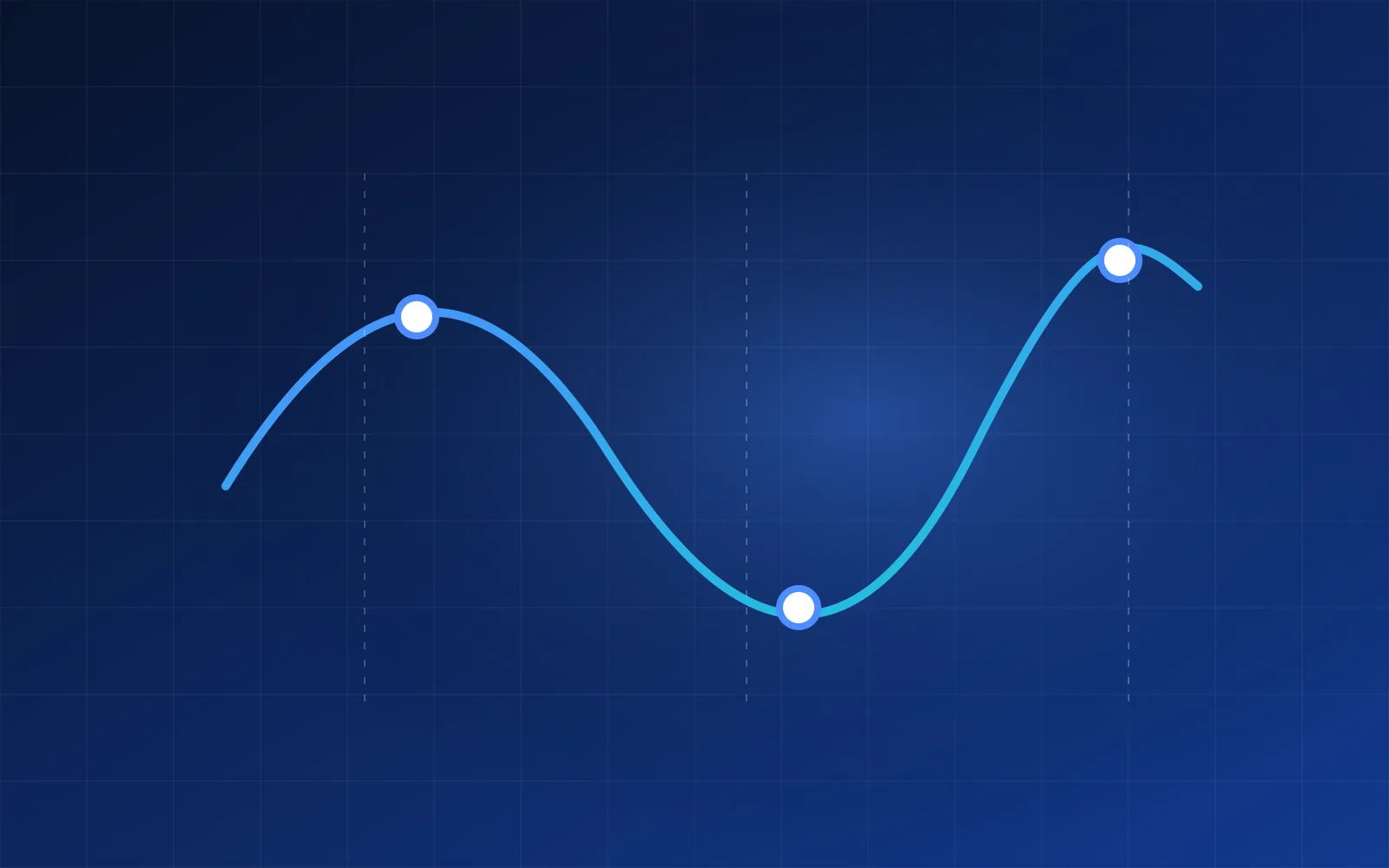
Anyone who engages with crypto assets will sooner or later experience pronounced upward and downward phases. Highly dynamic price rises alternate with long, gruelling corrections. These cycles are not random, but neither are they a roadmap. They arise from the interplay of supply, liquidity and human behaviour. Those who understand these drivers can assess market phases more calmly and make better decisions.
The halving: a structural supply impulse
With Bitcoin, the reward for newly created blocks is halved roughly every four years. This so-called halving is defined in the protocol and reduces the rate at which new units come into circulation. The maximum supply is capped at 21 million Bitcoin. In the past, several pronounced upward phases occurred in the period following a halving. However, no automatic pattern can be derived from this: with each halving, the effect on the total supply becomes relatively smaller and other factors gain in importance.
For investors, therefore, what matters is less the timing of a halving than an understanding of the mechanism: it changes new supply, but not automatically demand. How strongly a halving has an effect depends on how much capital flows into the market and on the mood of market participants.
Liquidity: the often underestimated driver
Crypto assets react sensitively to the global liquidity situation. When central banks ease monetary policy and capital is cheaply available, the willingness to invest in riskier assets tends to increase. Conversely, rising interest rates and restrictive monetary policy can increase the pressure on the market. In addition, there are market-internal factors: inflows via regulated investment products, the amount of stablecoins in circulation or the use of borrowed capital on trading venues. High leverage amplifies movements in both directions.
Sentiment: between euphoria and capitulation
Hardly any market is as strongly shaped by narratives as the crypto market. In upward phases, headlines dominate, new investors flock in and the fear of missing out becomes the motive. In downward phases, sentiment swings to the opposite: projects disappear from the media and investors sell out of frustration, often close to the lows. Sentiment indicators, funding rates on derivatives markets or on-chain data can help identify exaggerations. They do not provide precise turning points.
How a disciplined investor deals with cycles
Understanding cycles does not mean predicting them precisely. A professional approach therefore relies on rules rather than gut feeling:
- Clear strategy: Target weightings and ranges are set in advance and not changed on impulse.
- Staggered decisions: Buying and selling in tranches reduces the risk of betting everything on an unfavourable moment.
- Rebalancing: Regularly returning to the target weighting means realising gains in strong phases and topping up in a disciplined way in weak phases.
- Liquidity reserve: A reserve avoids having to sell at unfavourable prices during a correction.
- Long horizon: An investment horizon of at least 7 to 10 years makes it possible to go through several cycles rather than betting on a single one.
At CAM Schweiz, such guardrails are defined by the investment committee and reviewed regularly. The aim is not to capture every swing, but to act consistently and transparently over time.
Halving, liquidity and sentiment shape the crypto market, but none of these factors acts in isolation or reliably. Those who understand the mechanisms are less driven by euphoria and panic. If you would like to discuss what a structured approach to market cycles could look like in your portfolio, we look forward to a personal initial consultation.
Start the Crypto Portfolio Check
Advertising. This information is provided solely for informational and advertising purposes and constitutes neither an investment recommendation nor an offer. Investments in financial instruments and crypto assets involve risks; a partial or total loss of the capital invested is possible. Past performance is not a reliable indicator of future results. For further information, please see the legal information.